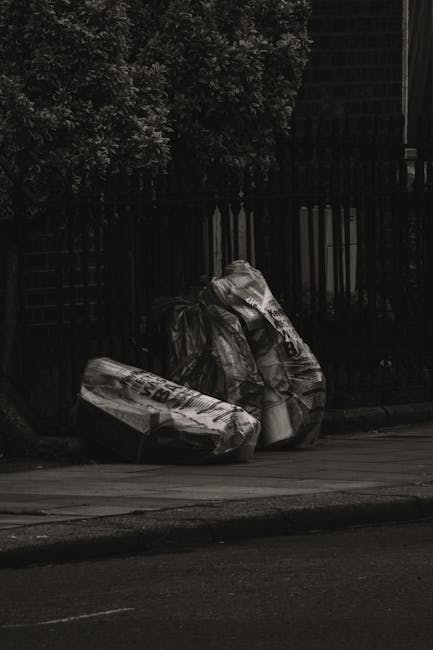
Bulky waste collection outside Herne Hill Station: a practical guide for quick, tidy clearances
If you are trying to clear a sofa, mattress, broken wardrobe, or a pile of mixed household items near Herne Hill Station, the main problem is rarely the rubbish itself. It is the logistics. There is traffic, footfall, limited waiting space, and the usual awkward question of how to move something heavy without blocking the pavement. Bulky waste collection outside Herne Hill Station is about solving all of that in one organised visit, without turning a simple clearance into a long afternoon of stress.
This guide explains how the service works, who it helps, what to check before booking, and how to avoid the small mistakes that often create delays. It also covers sensible local considerations, from access and timing to safety and recycling. Truth be told, when bulky items need shifting, most people just want it done cleanly and without drama. Fair enough.
Table of Contents
- Why bulky waste collection outside Herne Hill Station matters
- How bulky waste collection outside Herne Hill Station works
- Key benefits and practical advantages
- Who this is for and when it makes sense
- Step-by-step guidance
- Expert tips for better results
- Common mistakes to avoid
- Tools, resources and recommendations
- Law, compliance, standards and best practice
- Options, methods and comparison table
- Case study or real-world example
- Practical checklist
- Conclusion
- Frequently asked questions
Why bulky waste collection outside Herne Hill Station matters
Station areas are busy by nature. Near Herne Hill Station, the space outside the entrance, on nearby residential streets, and along the routes people use for commuting can become tight very quickly. A single bulky item left out at the wrong time can create an obstruction, spoil the look of the street, and attract complaints from neighbours or passers-by. If the item is wet, damaged, or partly broken, it can also become harder to move safely.
Bulky waste collection matters because it gives you a controlled way to remove large items without leaving them in the wrong place for too long. That sounds obvious, but in practice it saves a lot of hassle. You do not need to borrow a van, organise extra hands, or leave items waiting around while you juggle work, childcare, or a deadline. For flats, maisonettes, and shared buildings, that convenience is often the difference between clearing a room this week and putting it off for another month.
There is also a reputational angle. If you are a landlord, tenant, managing agent, or local business, a neat and timely clearance says something useful about how the property is run. No one wants a pile of unwanted furniture outside the entrance, especially somewhere as visible as station-adjacent London. A tidy frontage is one of those small things people notice even when they do not mention it.
For many households, bulky waste collection is also the safer choice. Trying to drag a wardrobe down stairs or through a narrow hallway can go wrong in a split second. A scraped wall is annoying; a strained back is much worse. And yes, the old trick of "we'll just carry it between us" is not always as clever as it sounds.
How bulky waste collection outside Herne Hill Station works
The process is usually straightforward, but the details matter. In most cases, you identify the items, choose a collection time, and make sure the team can access them safely. Then the waste is loaded, separated where appropriate, and taken away for disposal or recycling.
At a practical level, a good collection starts before anyone arrives. You should decide what is going, what is staying, and whether anything needs special handling. If a drawer contains papers, old chargers, or personal documents, clear that out first. If an appliance has been sitting unused for a while, unplug it in advance and make sure it is safe to move. For mixed clearances, it often helps to group items by type so the collection is quicker and less chaotic.
Outside a station, timing can be important. Mornings can be busy with commuters, deliveries, and general foot traffic. Mid-morning or early afternoon may be easier, though the best slot depends on the street, parking, and building access. Sometimes the difference between an awkward collection and a smooth one is just ten minutes and a better parking position. Small thing, big impact.
If your bulky waste is part of a larger clearance, you may want to combine it with a broader service such as home clearance, flat clearance, or furniture clearance. That can be more efficient than dealing with items one by one. For item-specific needs, there is also mattress and sofa disposal and fridge and appliance removal, both of which are useful when the load is awkward or heavy.
Key benefits and practical advantages
The biggest benefit is simple: less time, less lifting, less mess. But the real advantages go beyond convenience.
- Faster clearance: bulky waste can usually be removed in a single visit rather than spread over several trips.
- Safer handling: heavy items are moved by people used to dealing with stairs, tight corners, and awkward loads.
- Less disruption: the area is cleared quickly, which matters near a station where footfall is constant.
- Better presentation: useful for landlords, sellers, tenants, and businesses trying to keep a property in good shape.
- Responsible disposal: reusable and recyclable items can be separated instead of just dumped.
There is also a mental benefit that people underestimate. A room full of old items, broken furniture, or boxes waiting to be dealt with can make a place feel smaller and more tiring than it really is. Once it is cleared, the whole home changes. You notice the floor again. Light moves differently. It sounds a bit grand, perhaps, but you will know what I mean if you have ever walked into a room after a proper clearance.
For businesses close to the station, bulky waste removal can also support smoother operations. Office chairs, filing units, redundant stock, and old display items are not just clutter. They take up space that could be used properly. If you need a related service, office clearance and business waste removal are sensible complements.
Who this is for and when it makes sense
This service is for anyone who has bulky items they cannot, or do not want to, move themselves. In practice, that covers a lot of people.
- Residents in flats and maisonettes: especially where stairs, tight halls, or limited lift access make DIY removal awkward.
- Landlords and letting agents: useful between tenancies when old furniture or abandoned items need clearing quickly.
- Homeowners preparing to sell: a clutter-free property photographs better and feels easier to view.
- Local businesses: offices, cafes, small shops, and studios often need old furniture or fixtures removed.
- People clearing a garage, loft, or shed: one or two bulky pieces can become a whole project if left too long.
It makes sense when the items are too large for normal bins, too heavy for a car, or too awkward to carry without proper equipment. It also makes sense when time is limited. If you have a collection outside Herne Hill Station, you may not want to spend your Saturday making multiple van runs while trying to avoid double-parking and angry glances from other drivers. Let's face it, nobody has energy for that.
Bulky waste collection also suits people who need a measured, no-fuss approach. Some clearances are urgent after a tenancy ends. Others are slow-burn jobs after a renovation, move, bereavement, or long-overdue declutter. Both are valid. There is no medal for trying to do it all yourself.
Step-by-step guidance
Here is a practical way to approach the job so it runs smoothly from the start.
- List everything that needs to go. Write it down. A sofa, a mattress, two chairs, one old wardrobe, and a broken microwave is not the same as "some junk". Specificity helps with planning.
- Check for items needing special handling. Fridges, freezers, electronics, and anything with sharp, damaged, or contaminated parts may need extra care. If you are unsure, ask before the collection day.
- Clear access routes. Move smaller objects out of hallways, unlock gates, and make sure the team can reach the items without squeezing around obstacles.
- Confirm parking or stopping arrangements. Outside a station, space can be limited, so the easier you make access, the quicker the clearance tends to be.
- Group items together. Keep the bulky waste in one place if possible. It sounds basic, but it saves time and reduces confusion on arrival.
- Remove personal items. Check drawers, cupboards, bags, and pockets. People forget keys, receipts, documents, and random bits of jewellery more often than they think.
- Be clear about what should stay. If there is anything you want protected, label it or move it away. Ambiguity is where mistakes sneak in.
- Ask about recycling and reuse. If you want the job done responsibly, make that expectation clear.
For mixed household jobs, it can help to compare services before booking. For example, a handful of old sofas may fit a furniture disposal job, while a whole property might be better handled as a house clearance. Different jobs need different levels of planning. Simple, but worth saying.
Expert tips for better results
A few small habits can make a bulky waste collection much smoother.
- Photograph the items in advance. Not for drama, just clarity. A quick photo helps confirm the size and type of load.
- Measure the awkward pieces. Door widths, stair turns, and lift sizes can matter more than you expect.
- Keep one person available to answer questions. If the crew arrives and needs a quick decision, delays are minimised.
- Do not overpack the area. Leave room to manoeuvre. A crowded hallway turns a ten-minute job into a careful shuffle.
- Plan around the weather. A wet mattress or damp cardboard is no one's favourite thing to lift.
One useful rule: if an item feels awkward now, it will feel twice as awkward once it is halfway through a doorway. That is the moment people start muttering "it'll fit", which is usually when it does not.
If you are clearing storage spaces at the same time, garage clearance and loft clearance can be a smart add-on. For outdoor waste, garden clearance may also be useful, especially if old planters, broken furniture, or worn-out equipment have built up.
Common mistakes to avoid
Most problems with bulky waste collection come from poor preparation rather than the collection itself.
- Leaving the items outside too early: especially near a station, that can create avoidable obstruction or weather damage.
- Forgetting access constraints: narrow stairwells, locked gates, and no-parking zones can slow things down.
- Mixing in prohibited or hazardous materials: not everything can go in the same load, and unsafe items need separate handling.
- Assuming all bulky items are treated the same: a sofa is not the same as a fridge or a wet mattress.
- Not checking what should be kept: the classic "oops, that was meant to stay" moment. Happens more than you'd think.
Another common mistake is underestimating how much can be hidden inside a room. A spare room can swallow boxes, chairs, old small appliances, and a stack of mystery items with alarming ease. People often think they have "just a couple of things". Then the pile appears in daylight and, well, it's a proper job after all.
Where electrical or refrigerant-based items are involved, it is better to check specific handling requirements. Services such as fridge and appliance removal exist for a reason. They help avoid damage and make sure the item is processed appropriately.
Tools, resources and recommendations
You do not need a complicated toolkit for a bulky waste job, but a few simple things help:
- Measuring tape: useful for checking whether furniture can pass through tight spaces.
- Sticky notes or labels: handy if some items are staying and some are going.
- Work gloves: especially if you are moving small items beforehand.
- Phone camera: a quick visual record can reduce misunderstandings.
- Clear path lighting: important in basements, hallways, and darker stairwells.
For people who want more background on service standards, it can help to look at pages that explain operational details in plain English. Recycling and sustainability is useful if you care about what happens after collection, while insurance and safety gives reassurance around the handling side. If you need to understand what can go with mixed loads, what can go in a skip is a helpful reference point, even if you are not using a skip yourself.
For pricing questions, it is sensible to review pricing and quotes before booking. Nobody loves surprises on invoices. Clear pricing tends to make the whole process feel calmer, and calmer is underrated.
Law, compliance, standards and best practice
Bulky waste collection is not just about lifting furniture and loading a van. In the UK, waste must be handled responsibly, and anyone arranging disposal should take care to use a legitimate, professional service. You do not need to memorise legal language, but you do need to make sensible choices.
Best practice usually includes the following:
- Use a service that handles waste lawfully: the collection and disposal chain should be clear and sensible.
- Separate hazardous items: paints, chemicals, sharp materials, and certain electricals may need different handling.
- Protect people and property: stairs, walls, floors, and communal areas should be treated carefully.
- Be transparent about the waste type: mixing unknown items into a load is how problems start.
If the clearance involves business waste, confidential materials, or sensitive paperwork, a tailored approach matters. For example, confidential shredding may be more appropriate for documents, while hazardous waste disposal is the safer route for risky materials. For employers and managers, a service that understands health and safety policy expectations is a solid sign that operations are taken seriously.
One thing to remember: "can be removed" and "should be removed together" are not always the same thing. Common sense counts. If something smells off, leaks, or looks unsafe, pause and ask.
Options, methods and comparison table
There are a few ways to deal with bulky waste near Herne Hill Station. The right option depends on time, item size, access, and how much sorting you want to do yourself.
| Method | Best for | Pros | Trade-offs |
|---|---|---|---|
| DIY van run | Very small loads and people with transport | Direct control over timing | Time-consuming, heavy lifting, parking hassles |
| Skip hire | Longer projects with lots of mixed waste | Flexible over several days | Space needed, permit considerations, loading yourself |
| Bulky waste collection | Large furniture, appliances, and awkward items | Fast, convenient, minimal lifting for you | Usually scheduled for a set time window |
| Full clearance service | Flats, houses, offices, or messy moves | Most comprehensive option | More than needed for one or two items |
If you are deciding between methods, think about stress as well as cost. DIY can look cheaper on paper, but once you add vehicle hire, fuel, parking, and your own time, the picture changes. Not always, but often enough. A quick call to book online can be the simplest route when you want the job handled properly and without faff.
Case study or real-world example
Imagine a second-floor flat a short walk from Herne Hill Station. The resident has an old sofa, a broken bed base, two office chairs, and a fridge that stopped working months ago. The hallway is narrow, the stairs curve awkwardly, and there is only a small window for access because the street gets busy by mid-morning.
The sensible approach is not to drag everything into the street at dawn and hope for the best. Better to confirm the item list, clear the route, place the items in a single accessible spot, and schedule the collection for a quieter part of the day. The fridge needs separate attention. The sofa and bed base are bulky but manageable. The chairs are light, which helps. By the end of the visit, the flat feels bigger, the hallway is clear, and the resident can finally see the back wall again. Small victory, but a good one.
That sort of job also shows why choosing the right service matters. A mixed-load clearance is not just "take it away". It is timing, lifting, sorting, and respecting the building. If you need a broader clean-out, options like flat clearance or home clearance are often more suitable than trying to piece together several separate jobs.
Practical checklist
Use this checklist the day before collection. It keeps things calm and helps avoid surprises.
- Confirm the list of bulky items to be removed.
- Check whether anything is fragile, hazardous, or electrical.
- Remove personal belongings from drawers, pockets, and compartments.
- Clear hallways, stairwells, and doorways as much as possible.
- Make sure access points, gates, and doors can be opened easily.
- Decide where the items will be placed for collection.
- Keep pets and children away from the work area.
- Prepare any questions about recycling, recycling receipts, or disposal handling.
- Check your booking details and arrival window.
- Set aside anything you do not want taken by mistake.
Quick takeaway: the smoother the access, the smoother the collection. That is really the heart of it.
If you are ready to clear space without the usual heavy-lifting headache, explore pricing and quotes or go straight to book online when it suits you.
Get a free quote today and see how much you can save.
Conclusion
Bulky waste collection outside Herne Hill Station is, at its best, a practical answer to a very ordinary problem: too much large waste, not enough time, and not much space to deal with it properly. The service works well when the items are prepared, access is clear, and the collection is planned with a bit of common sense.
Whether you are clearing a flat, removing a mattress and sofa, or dealing with a one-off awkward item, the aim is the same: make the space usable again without adding stress. Done properly, it is a quiet win. One of those jobs that improves a day more than you expect.
And once the clutter is gone, you notice the difference straight away. That bit of breathing room matters.
Frequently Asked Questions
What counts as bulky waste near Herne Hill Station?
Bulky waste usually means items too large or awkward for normal household bins, such as sofas, wardrobes, mattresses, tables, chairs, and some appliances. If it takes two people to carry it, it probably counts as bulky waste.
Can bulky waste be collected from a flat or upper floor?
Yes, provided there is safe access. Stairs, narrow hallways, and lift access all need to be considered, but many collections are carried out from upper-floor flats every day.
Do I need to move the items outside before collection?
Not always. In many cases, items can be collected from inside the property or from a designated location, as long as access is safe and agreed in advance.
What should I do with fridges or freezers?
Refrigeration units often need specific handling, so it is best to arrange them through a service that offers fridge and appliance removal. Do not assume they should be treated like standard furniture.
How do I avoid blocking the pavement outside the station?
Plan the collection window carefully, keep items grouped neatly, and avoid putting anything out too early. Near a station, timing and access are especially important because foot traffic can pick up quickly.
Is bulky waste collection better than skip hire?
It depends on the job. Collection is usually better for a small number of large items, while skip hire can suit longer projects or mixed renovation waste. If you do not want to load everything yourself, collection often feels easier.
Can I include old furniture and soft furnishings together?
Often yes, but it is sensible to check the item types first. A sofa, mattress, and chair can usually be handled together if the service is set up for that kind of load.
What happens to the items after collection?
Usable and recyclable materials are typically separated where possible, while the rest is disposed of responsibly. If sustainability matters to you, it is worth reviewing recycling and sustainability before booking.
How can I prepare for a bulky waste collection quickly?
Make a short list of items, clear a path, remove personal belongings, and keep any items that must not be taken well away from the collection area. A few minutes of prep saves a lot of confusion.
Are there items that should not be mixed in with general bulky waste?
Yes. Hazardous materials, confidential documents, and certain electrical or contaminated items may need separate handling. If you are unsure, ask before the collection day rather than guessing.
Can landlords or letting agents arrange this service?
Absolutely. In fact, it is common when a tenancy ends and bulky furniture or leftover belongings need clearing before the next move-in.
Where can I learn more before booking?
Useful starting points include pricing and quotes, insurance and safety, and about us for a bit more background on the service approach.